The question is no longer what cross-border collaboration in reproductive health can achieve, but what it takes to build on results that are already delivering impact.
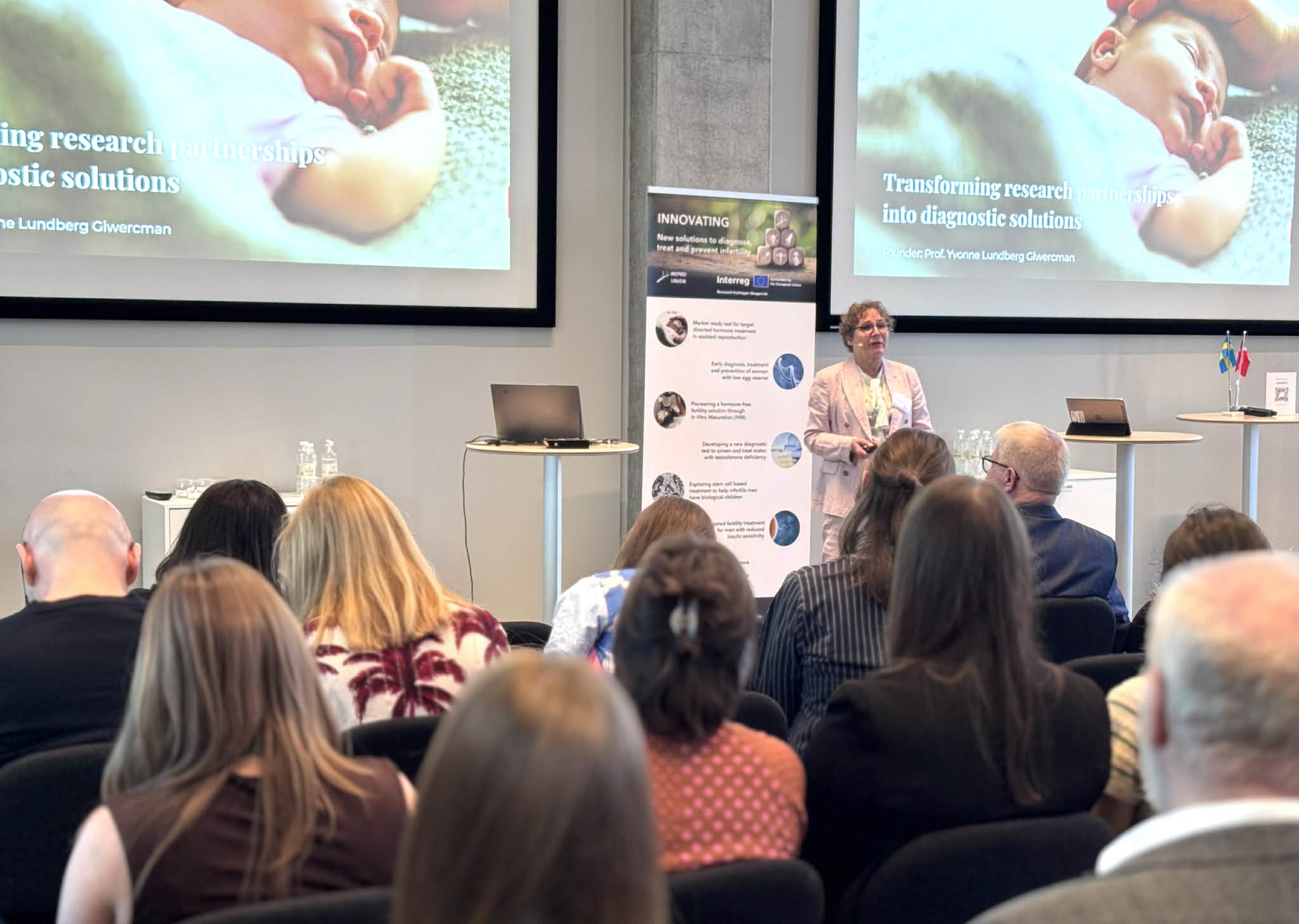
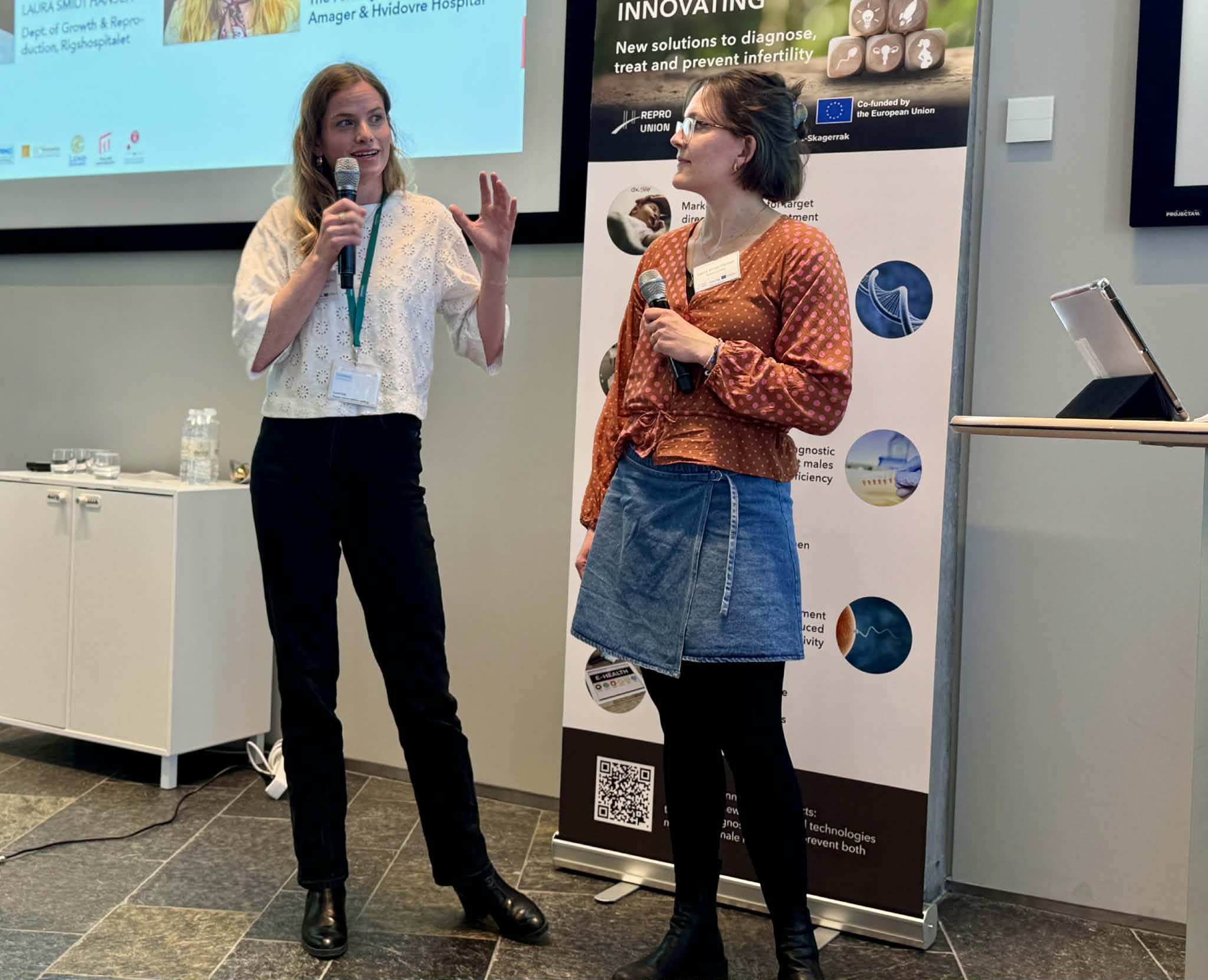
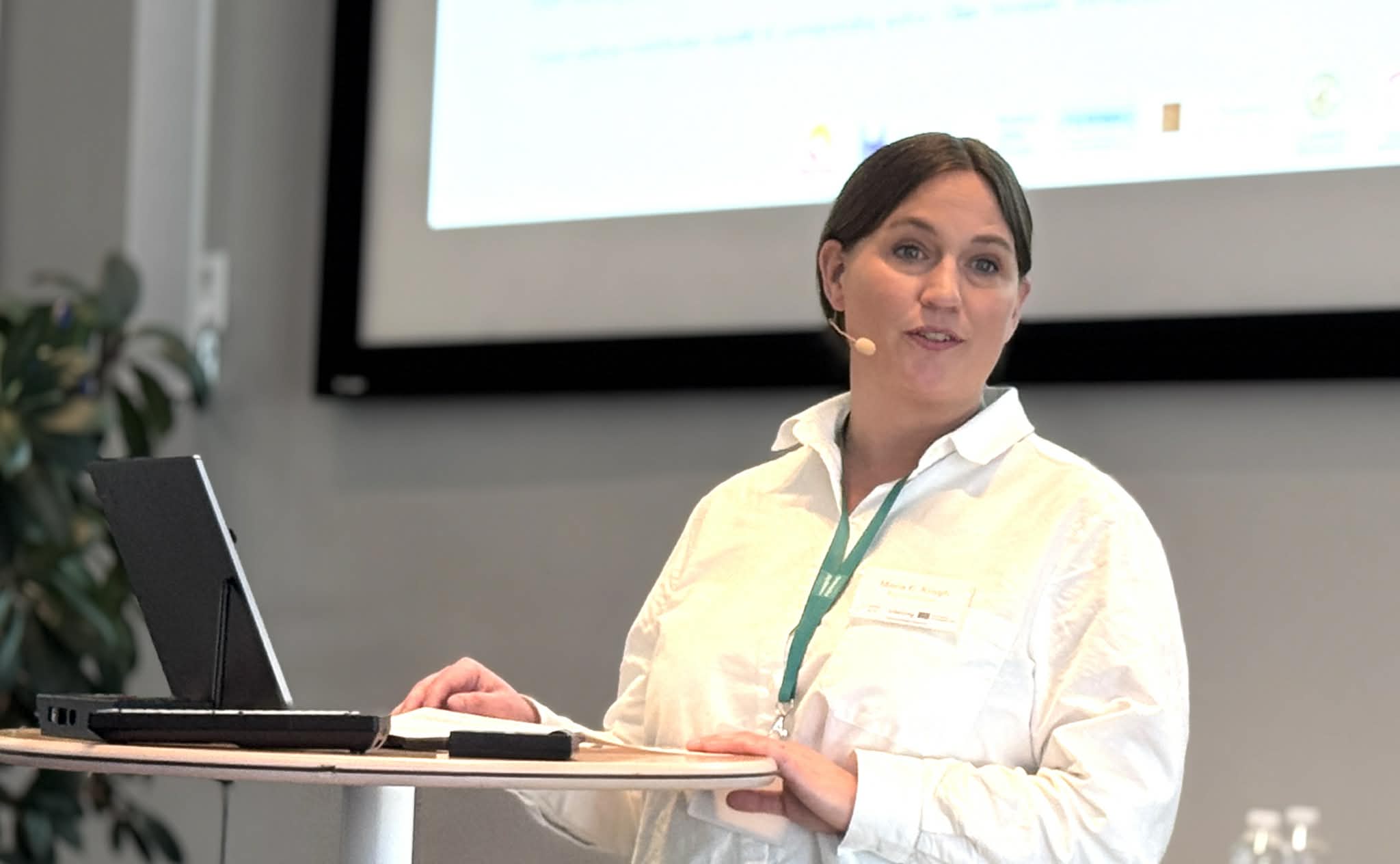
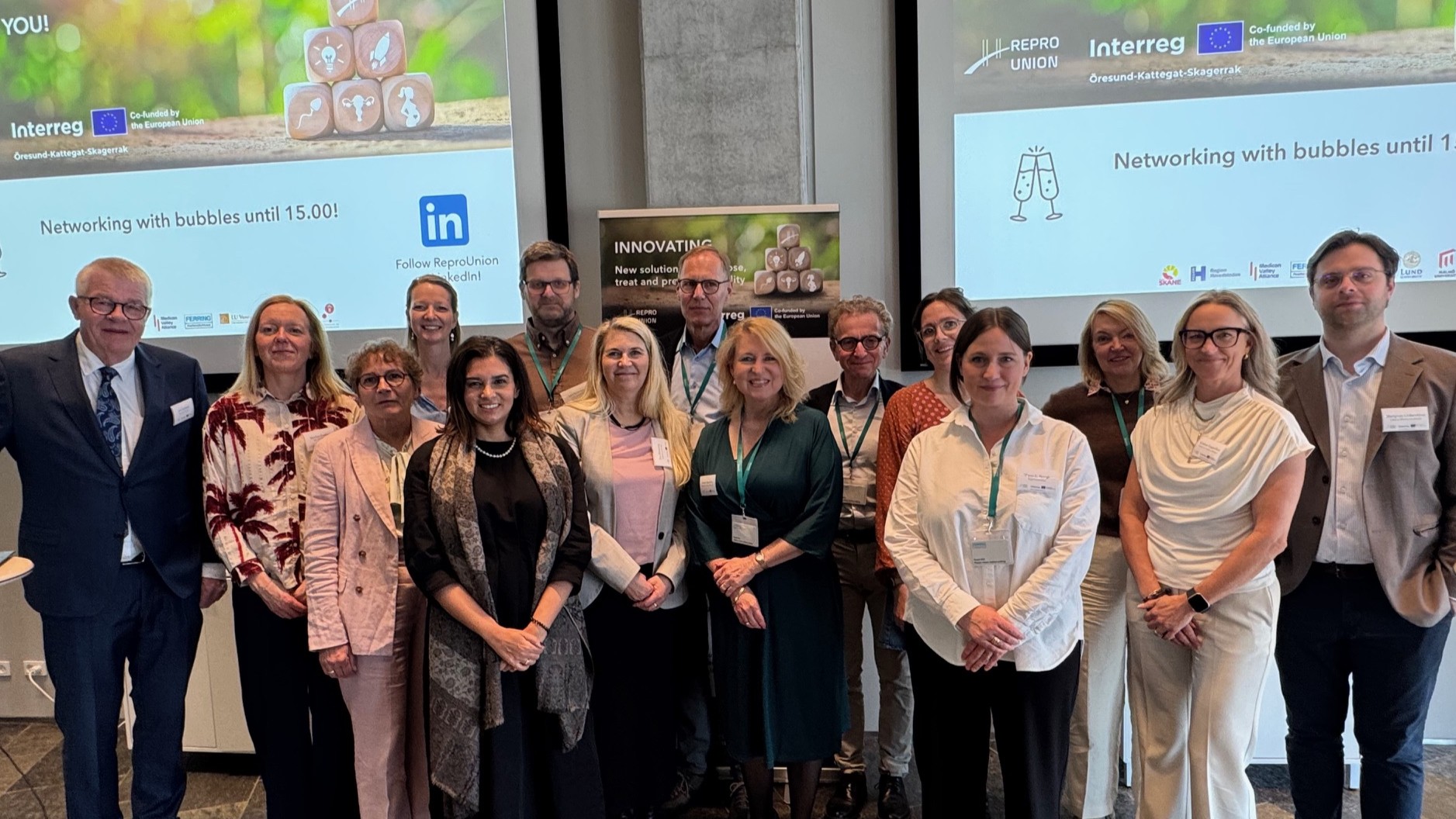
At the ReproUnion Summit on 20 April 2026, partners and stakeholders gathered in Copenhagen to reflect on the outcomes of the current project period (2023–2026) and the broader development of ReproUnion over more than a decade.
Across sessions and discussions, one message stood out: long-term, coordinated collaboration creates measurable value - for research, for healthcare, and for society.
ReproUnion’s impact is rooted in its ability to bring together universities, hospitals and industry partners across borders in a sustained and structured way. Over time, this has evolved into a functioning ecosystem for reproductive health innovation - one that combines scientific excellence, clinical expertise and industry engagement.
Reflecting on the progress achieved during the current project period, ReproUnion Project Director Kristine Koppelhus underlines the importance of continuity: “The Summit was a strong reminder of what sustained cross-border collaboration can deliver. We are seeing concrete outcomes - from stronger partnerships across the ecosystem to patents and new diagnostic and innovation pathways, as well as a stronger understanding of entrepreneurship among early-career researchers. This all builds on many years of collaboration and shows that long-term commitment is key to creating real impact.”
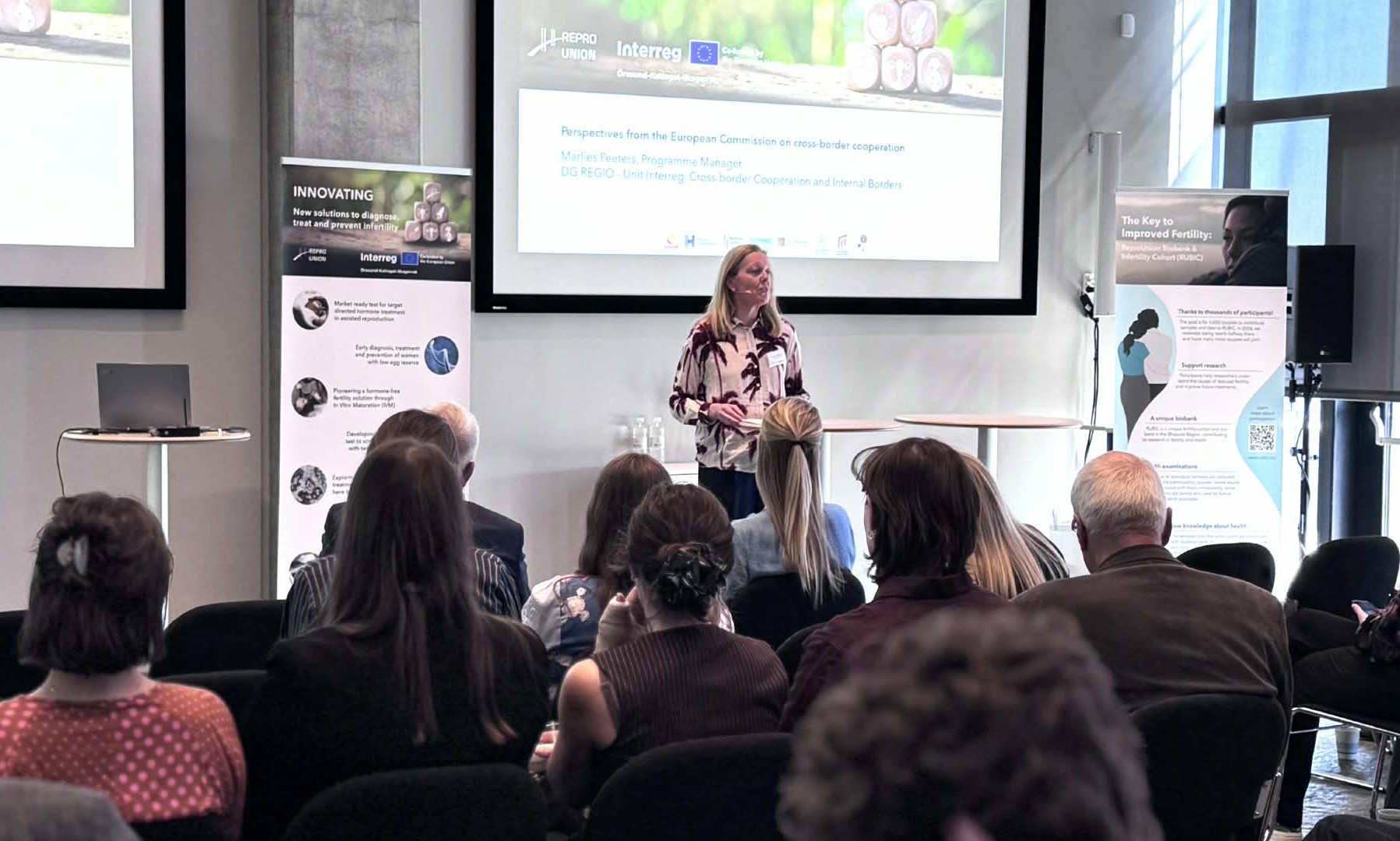
The relevance of this model was also reflected in the participation of the European Commission. Marlies Peeters, representing DG REGIO, highlighted both the achievements of ReproUnion and its visibility at European level: “It is truly impressive to see the results ReproUnion has achieved. Even within the wide landscape of Interreg programmes across Europe, this collaboration stands out. It is a strong example of how cross-border cooperation contributes directly to the EU’s cohesion objectives - by bringing together partners, building capacity, and delivering impact.”
The remarks from Marlies Peeters made it clear that while ReproUnion is regionally anchored, its approach and results resonate within a broader European context.
From research to real-world impact
A presentation of ReproUnion’s scientific footprint offered a data-driven perspective on the collaboration’s impact in the field of reproductive medicine.
Based on a comprehensive bibliometric analysis of research conducted between 2014 and 2025, the results demonstrate both scale and influence:
- 218 peer-reviewed publications across reproductive medicine and related fields
- Four times higher cross-Øresund collaboration compared to similar research areas
- High and consistent citation impact, indicating influence well beyond the core field.
Together, these findings underline how the ReproUnion partnership has contributed to high-quality, internationally recognised research with lasting value.
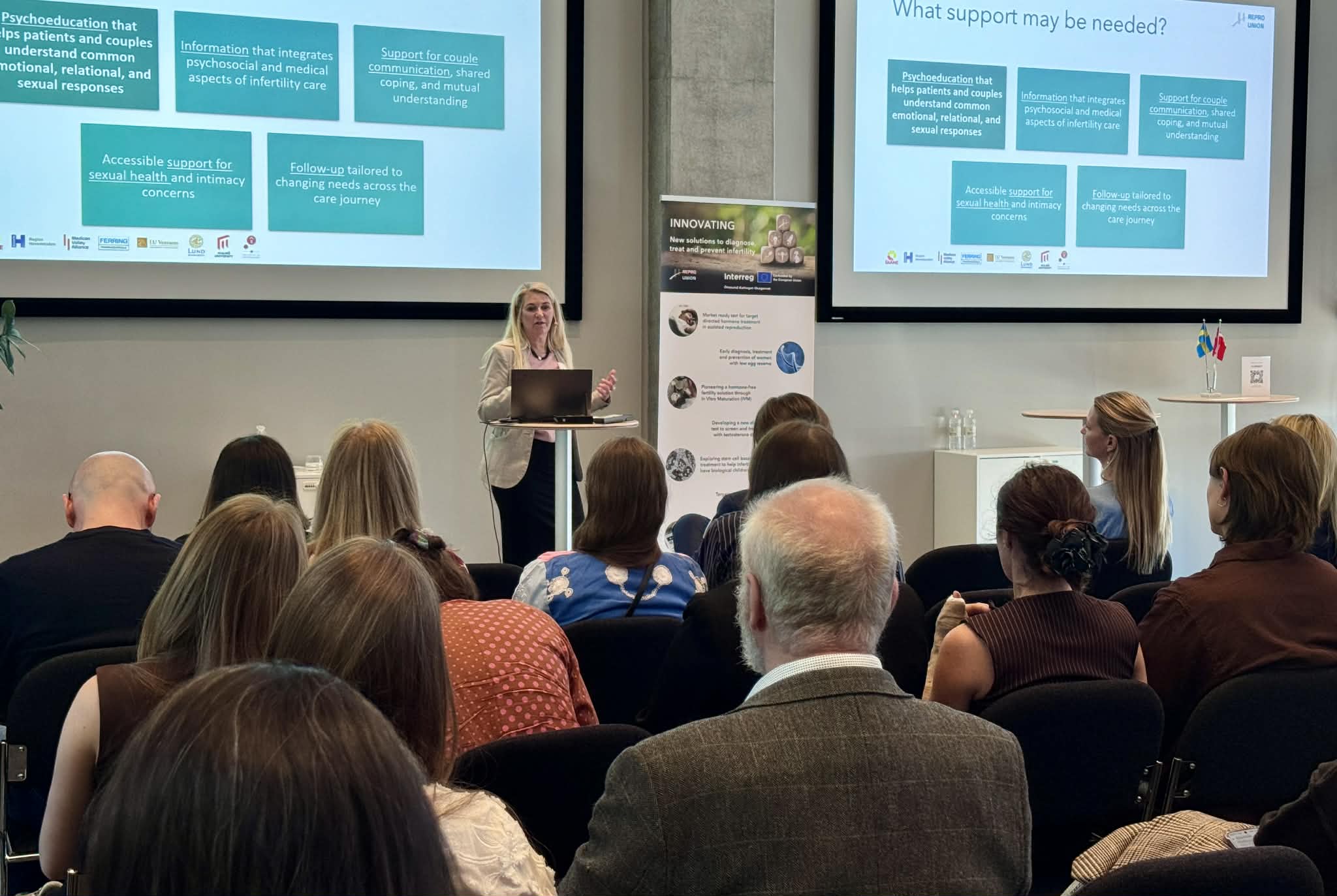
After the first session about ReproUnion as a foundation for innovation, the second session focused on the ReproUnion Biobank & Infertility Cohort (RUBIC) with presentations on the latest microbiome research, psychosocial care and the role of fertility as an indicator of long-term health and prevention.
RUBIC is key to strengthening the connection between research and clinical practice, enabling new insights into infertility and patient pathways. Importantly, these developments are grounded in the participation of couples in RUBIC, who contribute to research while undergoing fertility treatment — not for immediate personal benefit, but to improve outcomes for future patients.
ReproUnion has demonstrated that it is possible to build a strong cross-border research environment, translate knowledge into clinical and innovation outcomes, and create a shared infrastructure that benefits both patients and society.
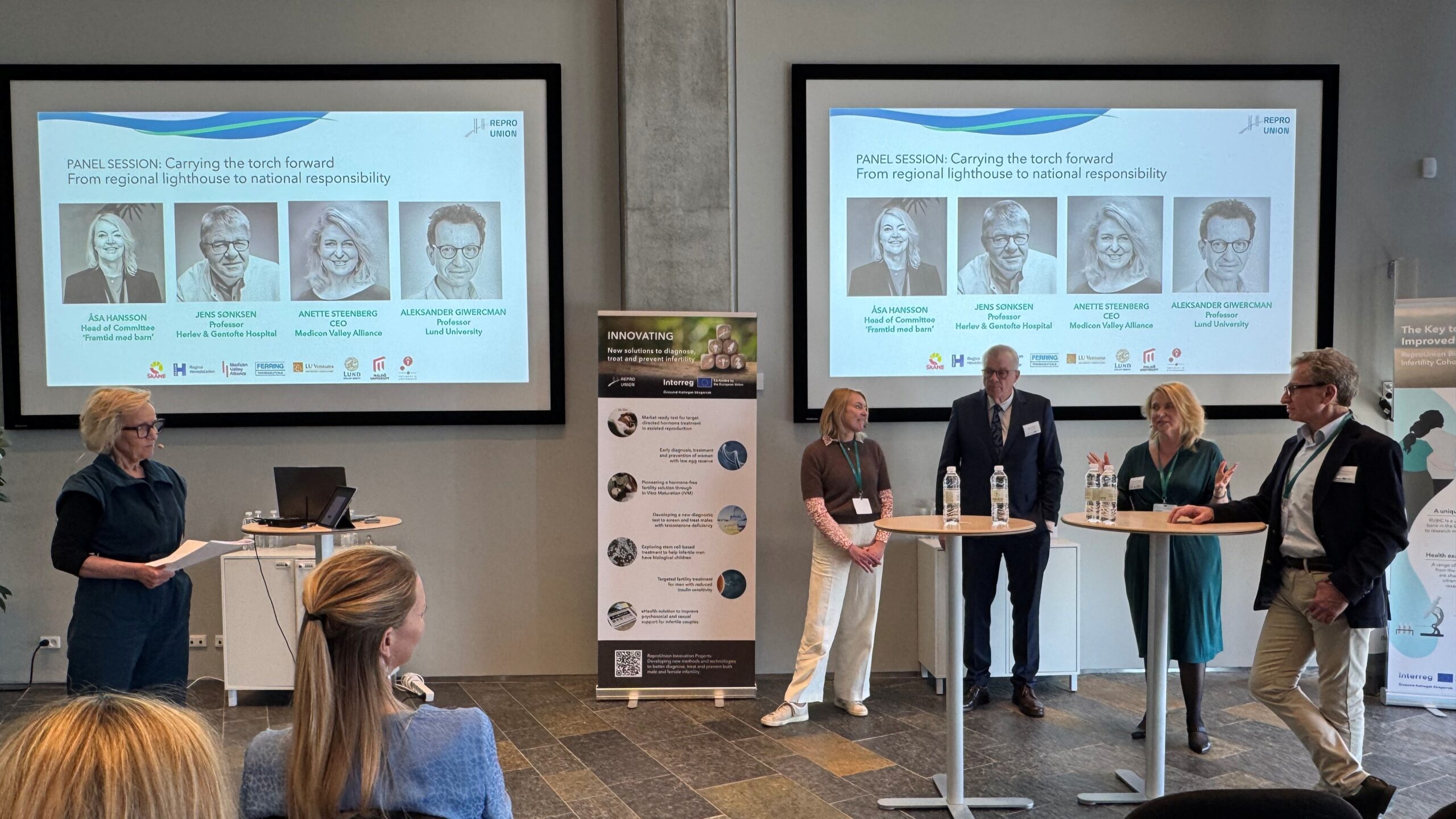
With this foundation in place, the focus now shifts towards ensuring continuity and thus the future was also the topic of the final session at the Summit. The task ahead is not to define new ambitions from scratch, but to build on what already works - and to ensure that the structures, partnerships and knowledge developed over decades continue to generate value in the years to come.
The opportunity now lies in ensuring that this momentum is maintained - and that cross-border collaboration continues to play a central role in advancing reproductive health.
A sincere thank you to Ferring Pharmaceuticals for hosting the Summit and to all speakers and participants for the contribution and engagement.