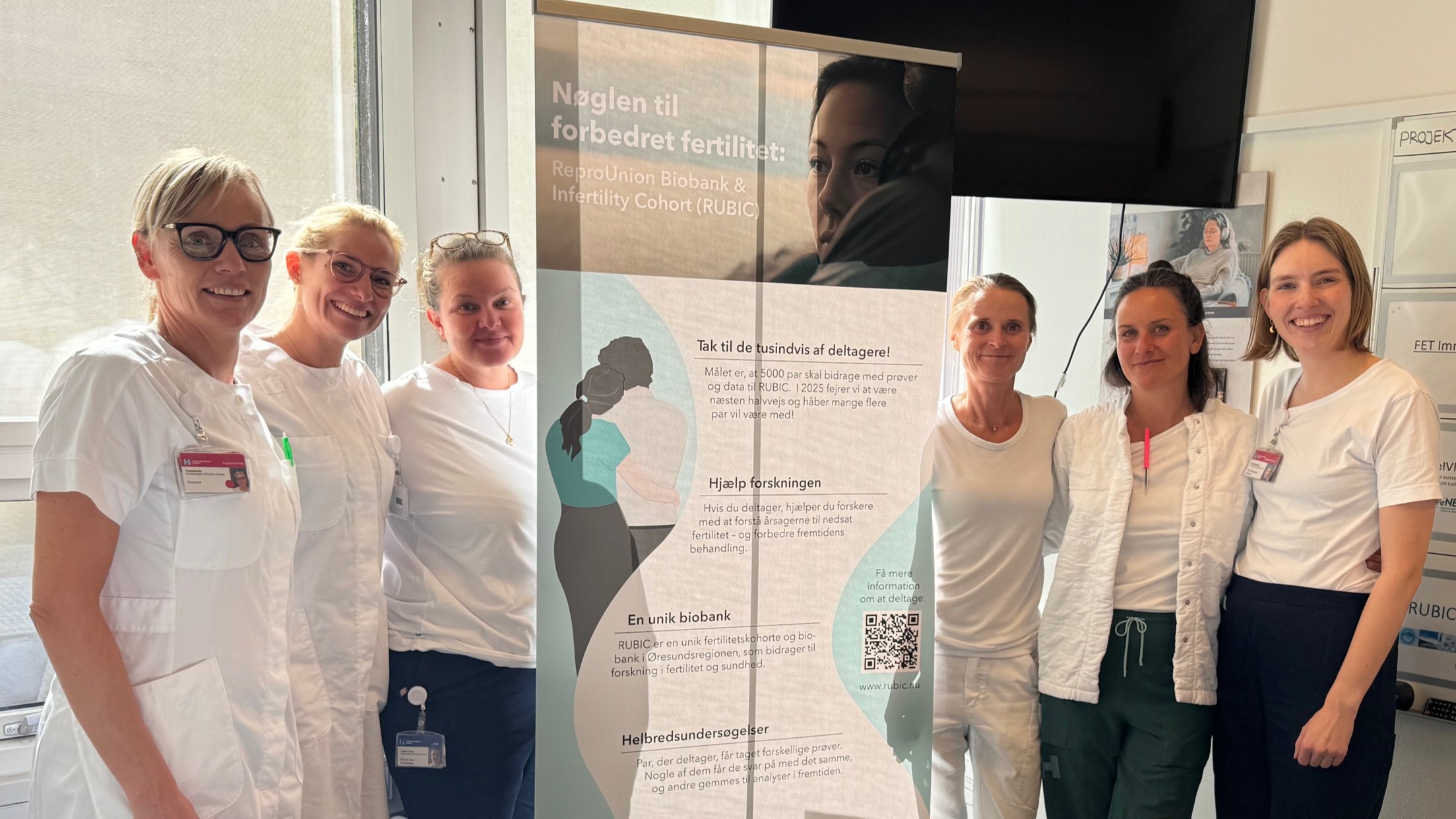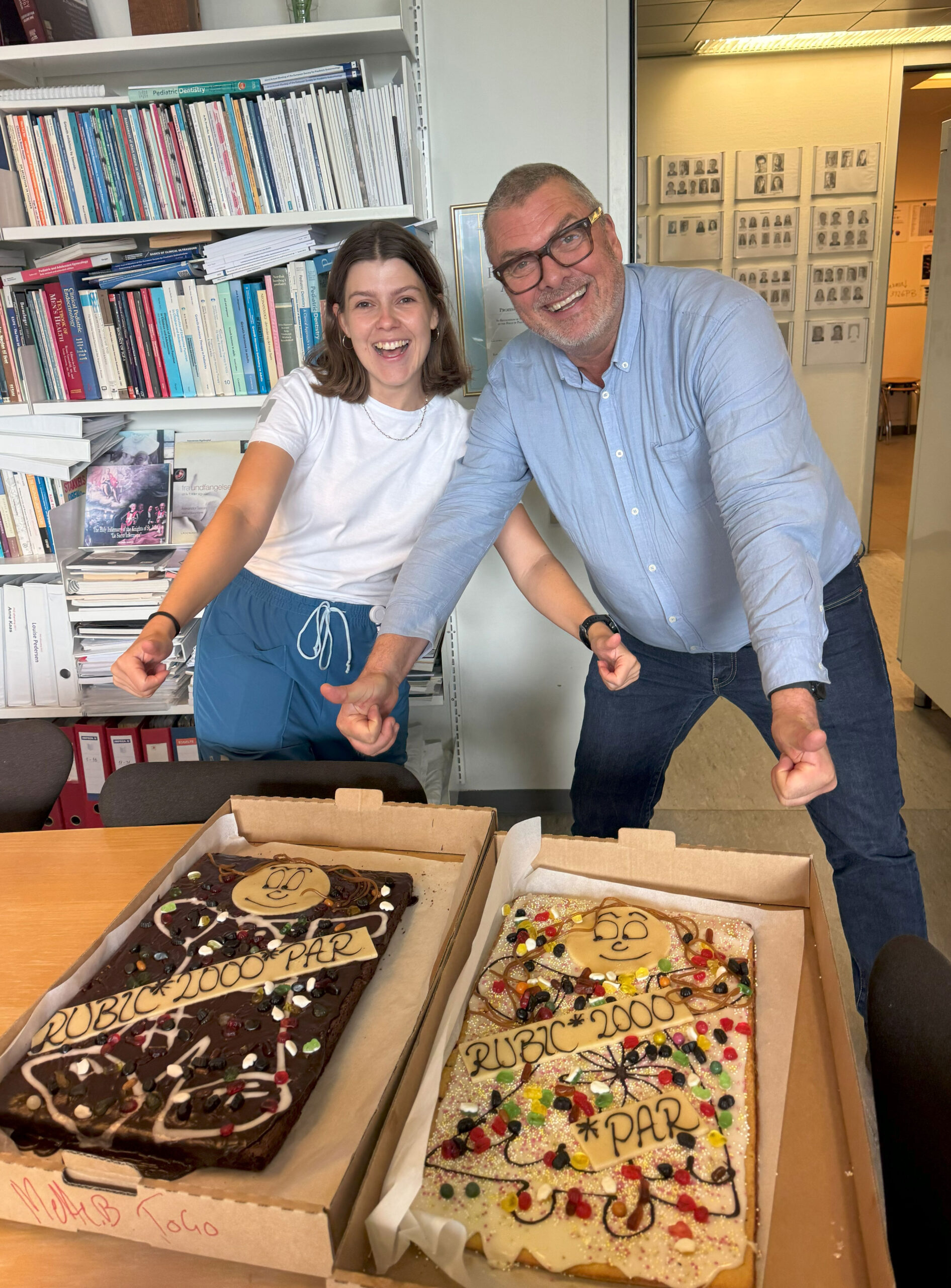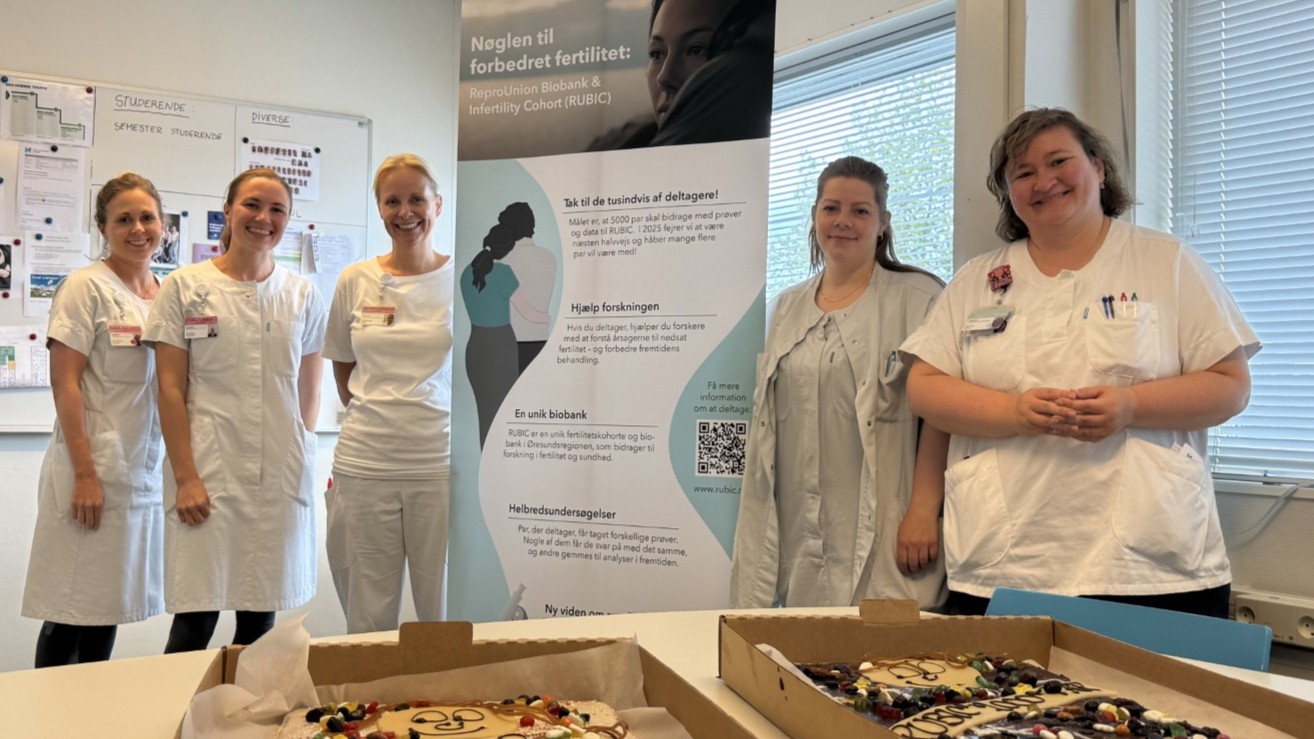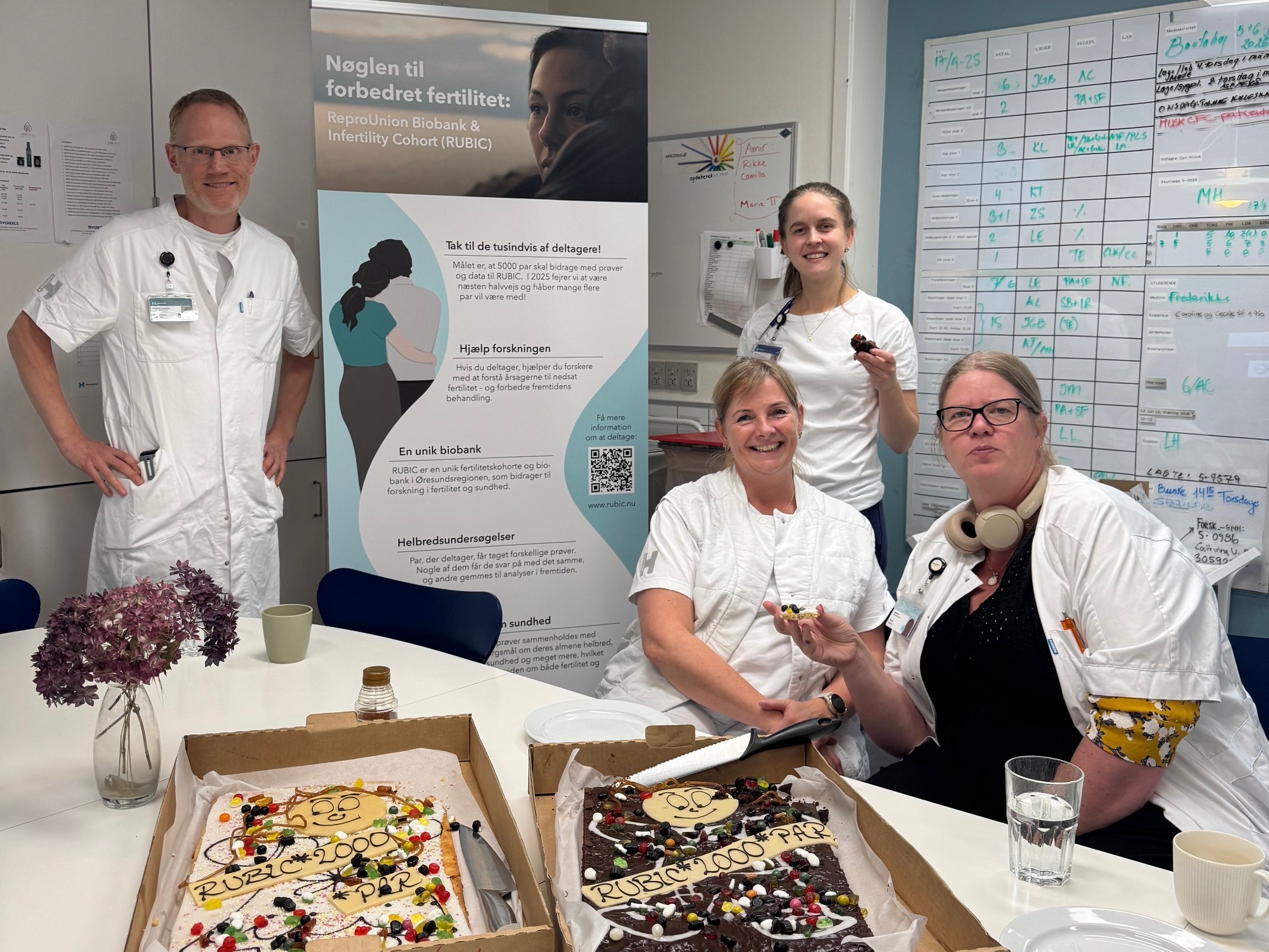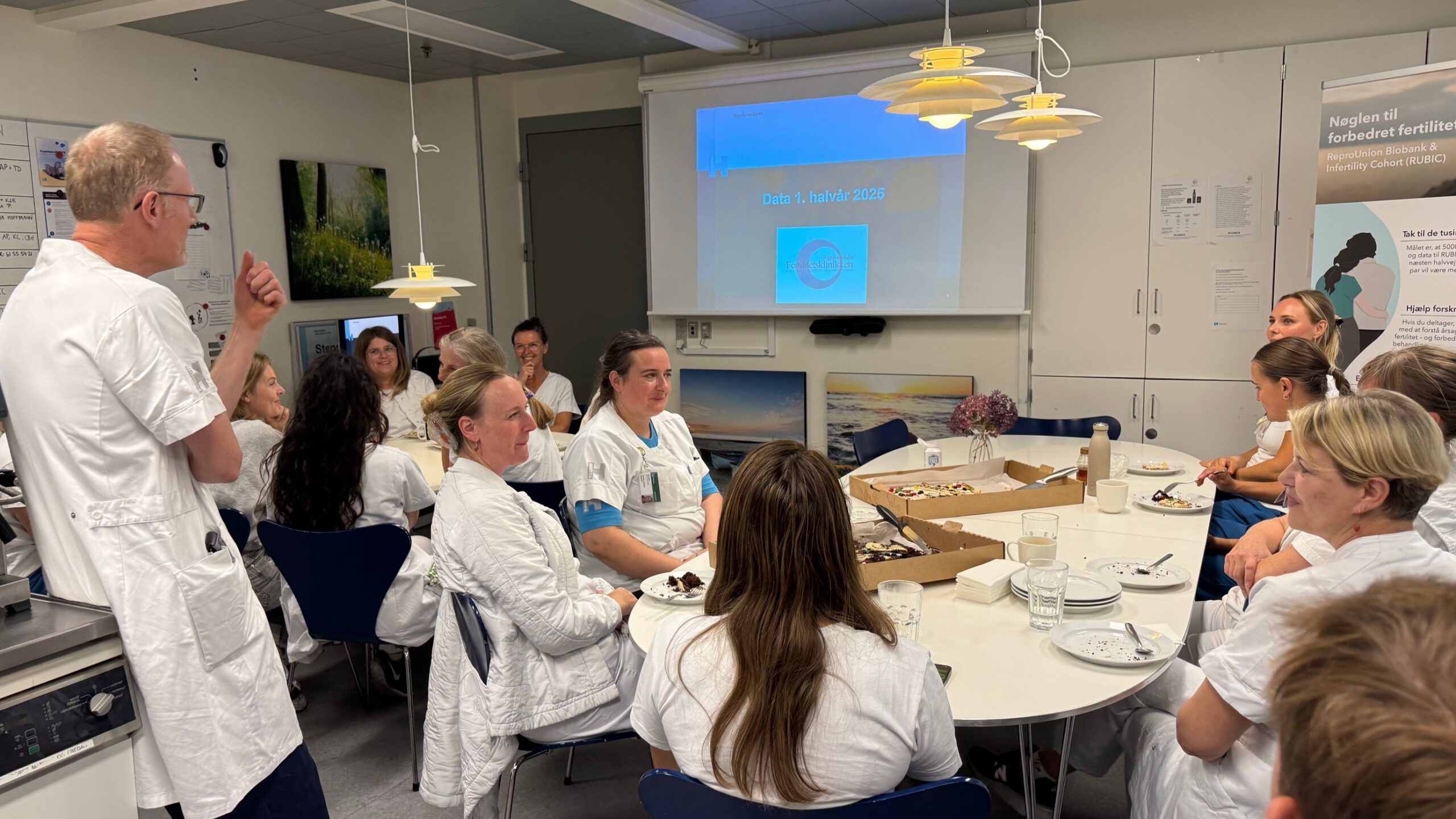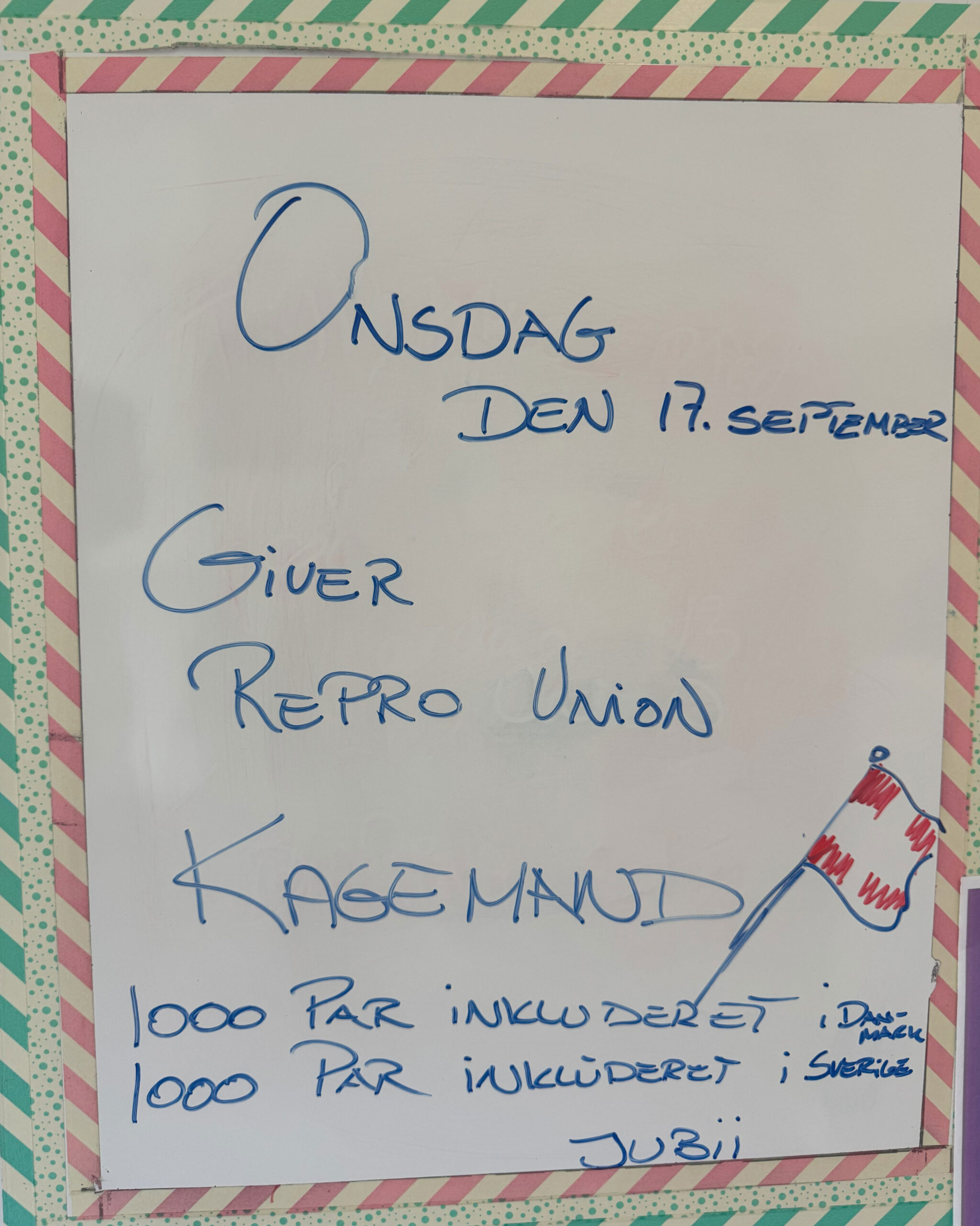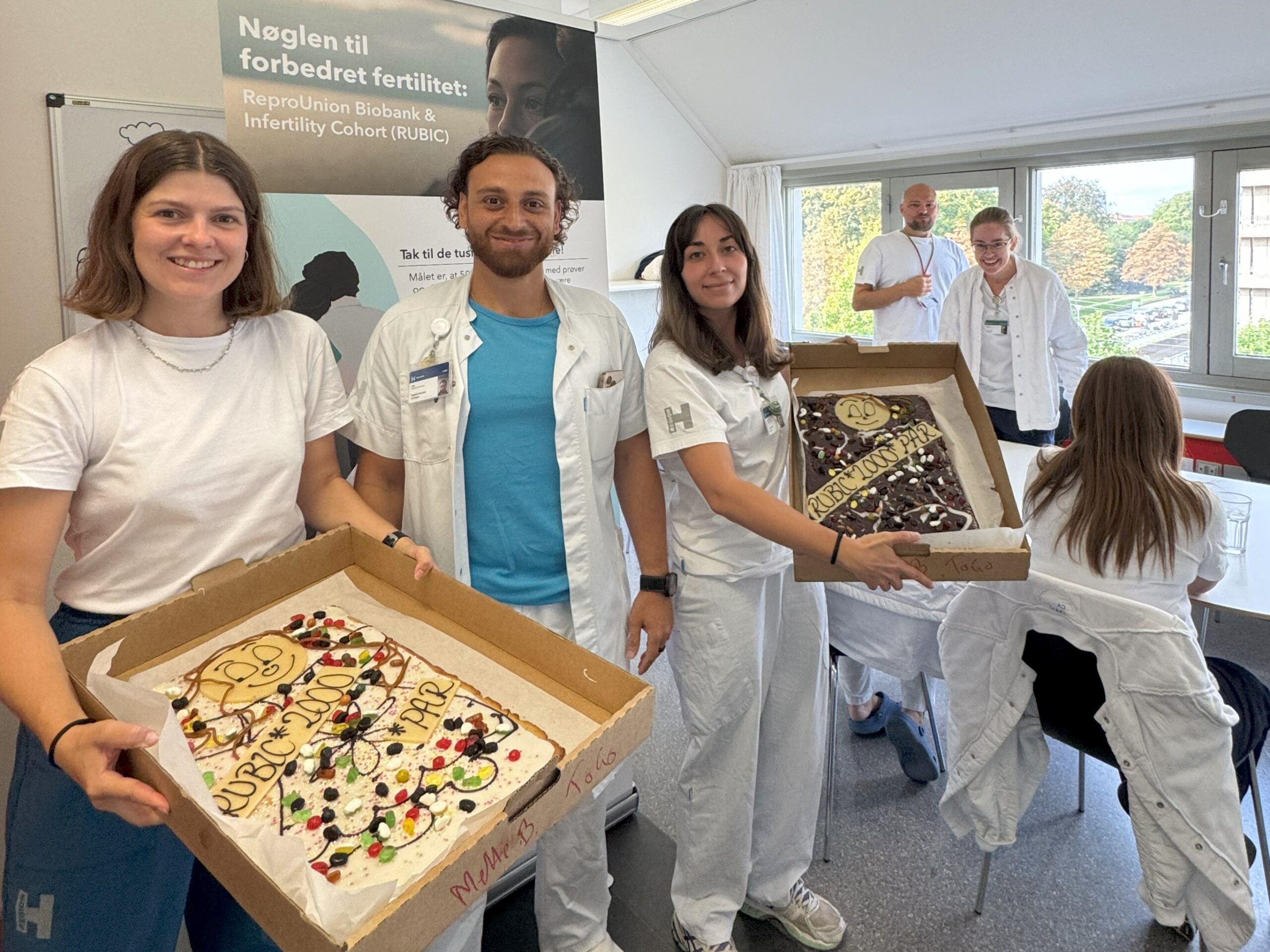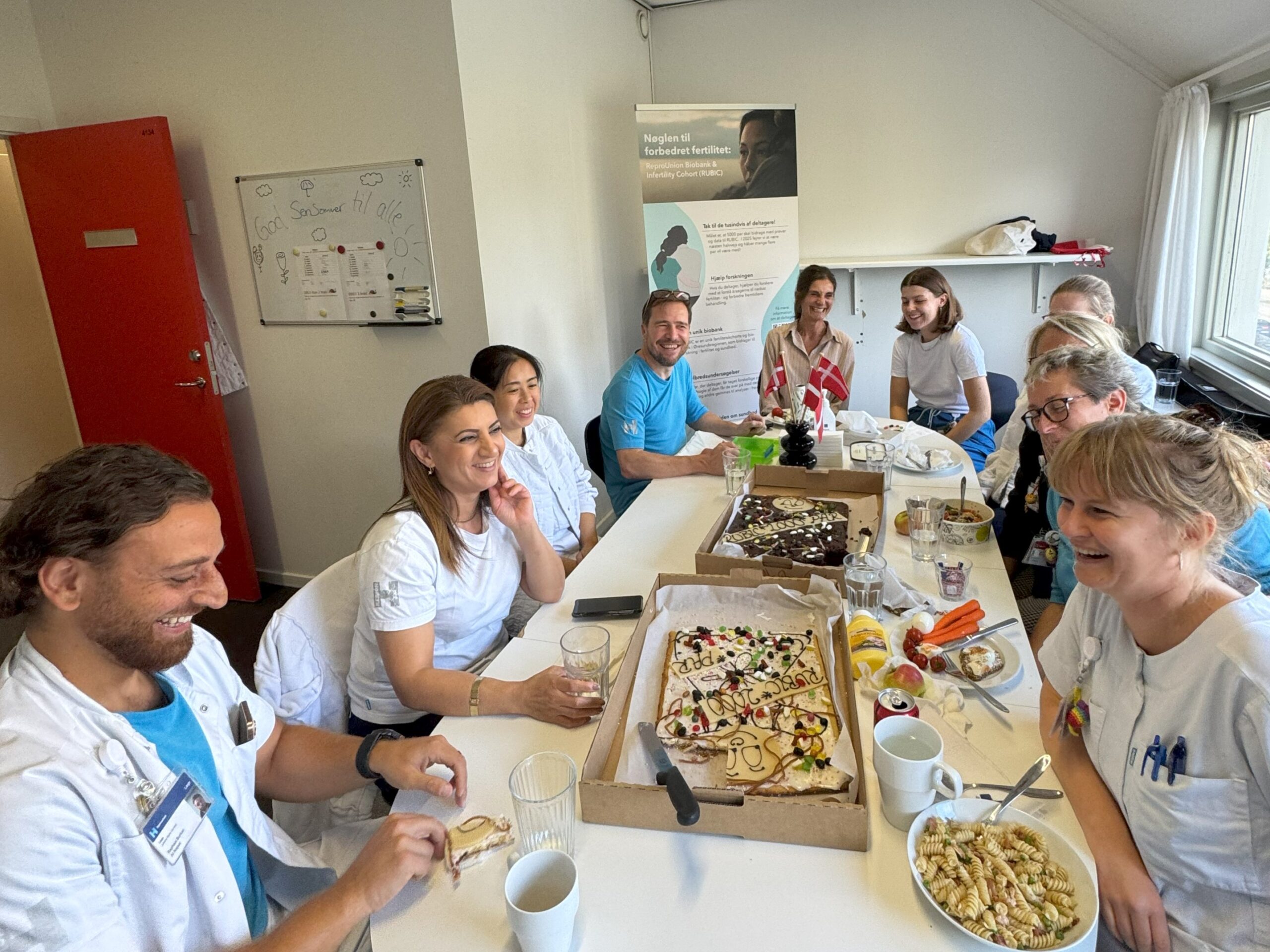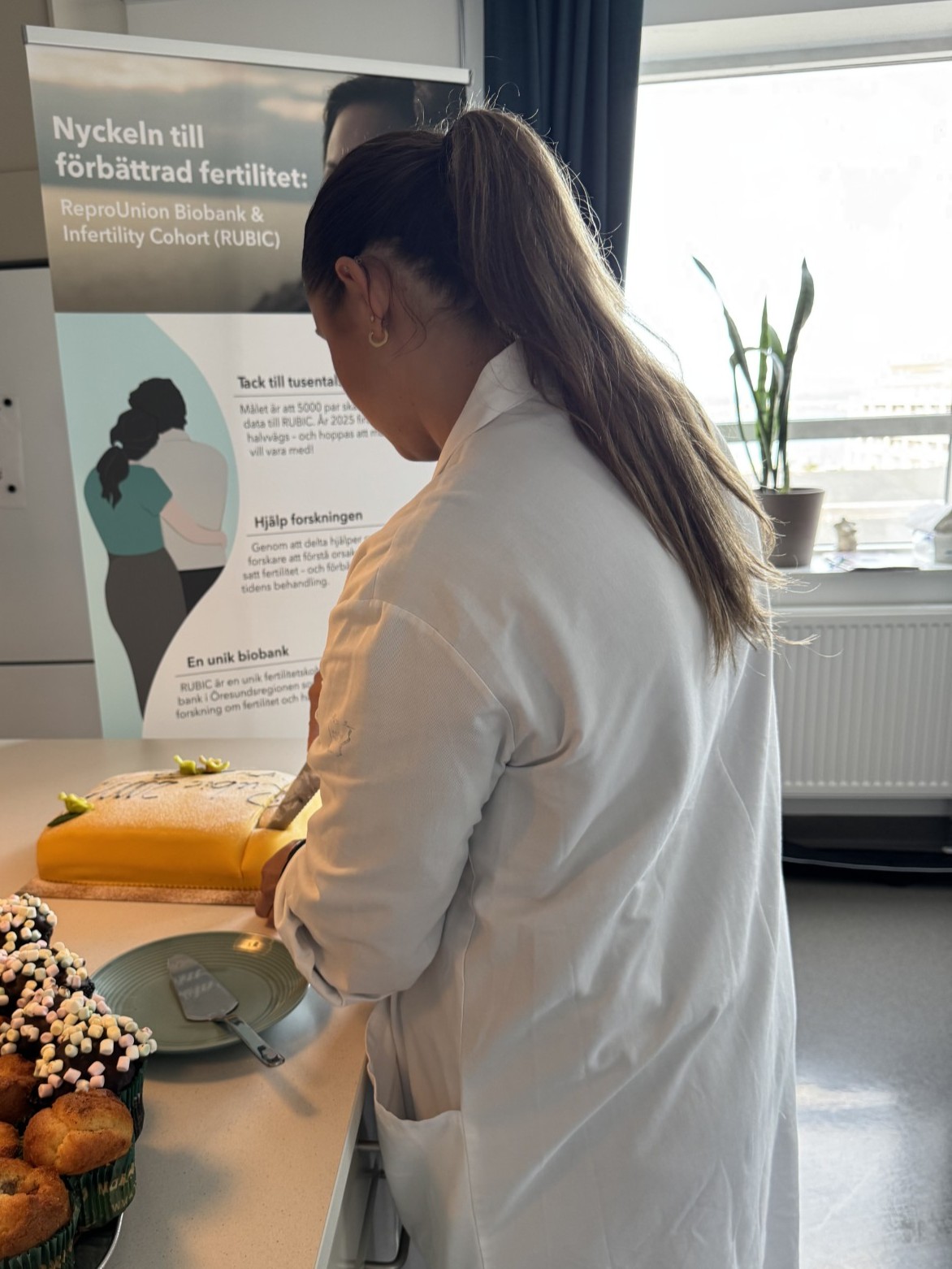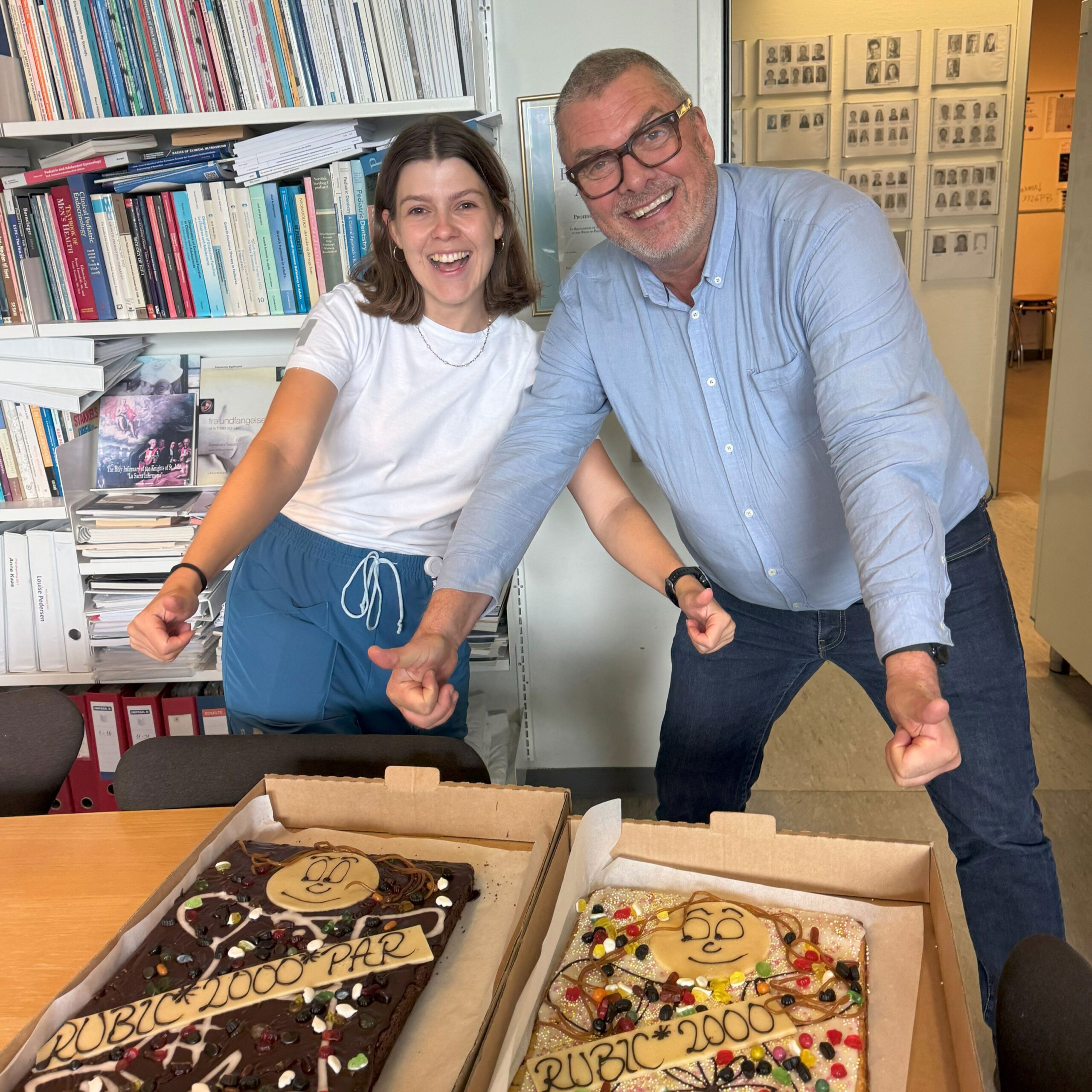
In September 2025, ReproUnion celebrated an important milestone: 2,000 couples from Denmark and Sweden are now part of the ReproUnion Biobank & Infertility Cohort (RUBIC).
Over two days, the ReproUnion management team delivered cake to all contributing fertility and reproductive clinics to thank the doctors and nurses, as well as the researchers and laboratory assistants. They all play a crucial role in meeting and examining the couples, as well as in collecting and processing the biological material and data that makes RUBIC possible.
“With our combined efforts in ReproUnion, we are creating a unique resource that can benefit couples, healthcare, and society for generations to come. We are deeply grateful to the fertility clinics across the hospitals in the Capital Region of Denmark and Region Skåne, as well as the reproductive clinics on either side of Øresund, who meet, inform, screen and examine the women and men participating in RUBIC. Without their daily commitment, RUBIC would not have become such an important research infrastructure for reproductive medicine,” underlines Kristine Koppelhus, ReproUnion Project Director, Medicon Valley Alliance.
Shaping the future of reproductive health
RUBIC is the world’s most complete fertility biobank, combining biological samples such as blood, urine, sperm, vaginal swabs, hair, and saliva with extensive lifestyle and health data from involuntarily childless couples.
The long-term ambition is to reach 5,000 couples – 2,500 from Denmark and 2,500 from Sweden. Achieving this scale will provide researchers with a strong basis to:
- Identify new biomarkers for better diagnosis and treatment.
- Investigate how environmental and lifestyle factors influence infertility.
- Explore links between infertility and chronic diseases such as diabetes, cardiovascular disease, osteoporosis, and cancer.
A unique resource – already delivering research
Involuntary childlessness affects every 4-6th couple in Denmark and Sweden. By combining data across borders and linking to national health registries, RUBIC is not only a cornerstone for fertility research, but also for understanding broader public health challenges.
With 2,000 couples now included, RUBIC has reached a critical mass for research projects – and new studies are already emerging and being discussed at renowned conferences like ESHRE. Also, a recent investigation explored how paracetamol might impact women’s fertility and the next step is to use RUBIC samples: New study investigates the impact of paracetamol on women’s fertility.
The Danish RUBIC consultations are carried out in a collaboration between the Department of Growth and Reproduction at Rigshospitalet and the fertility clinics at Rigshospitalet, Hvidovre Hospital, Herlev Hospital, and Nordsjællands Hospital. In Sweden, both the men and women participating in RUBIC come to the Reproductive Medicine Centre (RMC) at the Skåne University Hospital.
If you want to know more, please visit www.rubic.nu.