The RUBIC Seminar on 23 February marked an important milestone for the ReproUnion Biobank & Infertility Cohort. What began as an ambitious cross-border research infrastructure is now delivering concrete scientific results – based on biological samples and detailed health data from thousands of couples undergoing fertility treatment in Denmark and Sweden.
With more than 2,000 couples included and an ambition to reach 5,000, RUBIC demonstrates how understanding the causes and consequences of infertility requires looking at both women and men – and at the couple as a unit.
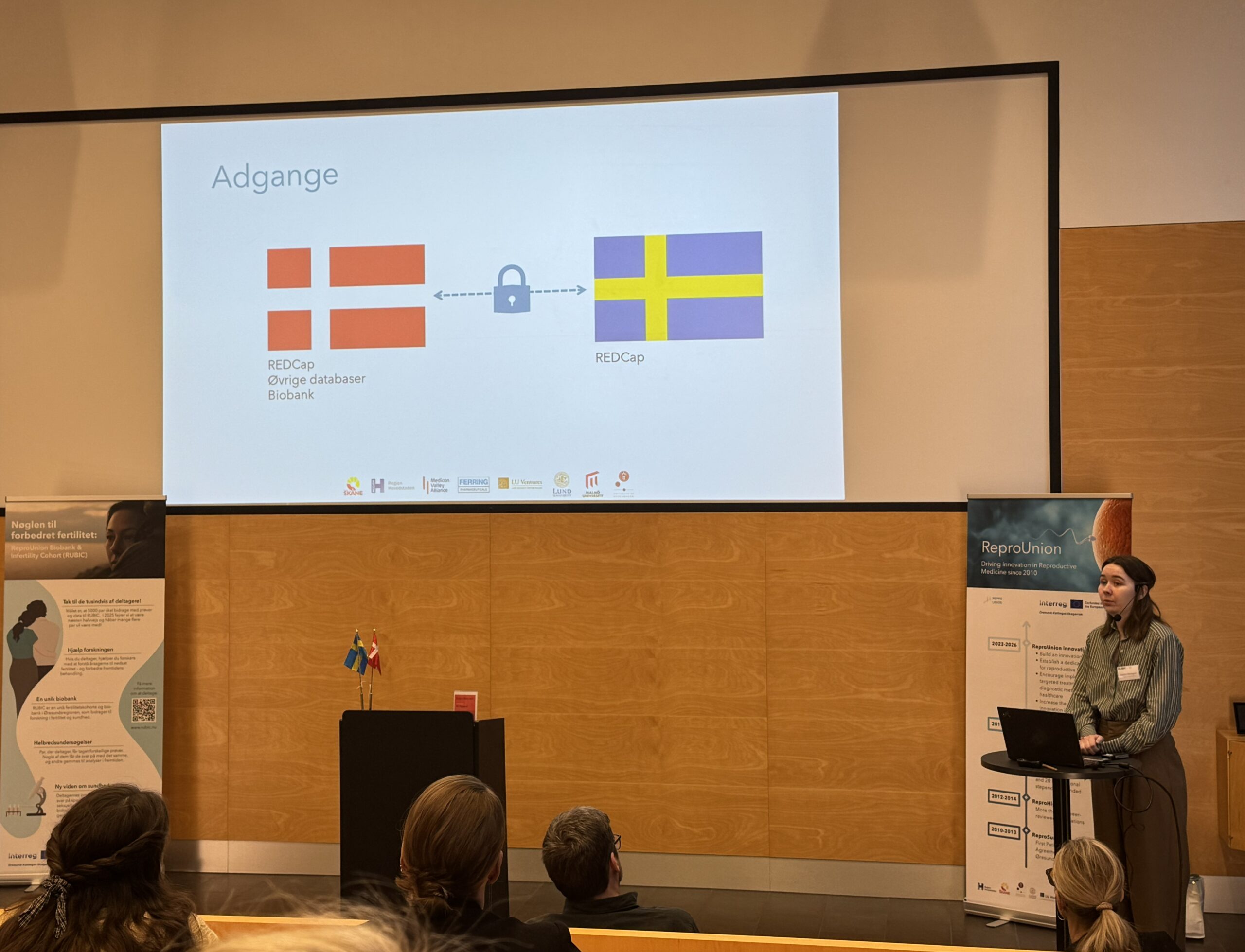
“The growing demand for access to RUBIC data reflects both national and international interest in the cohort’s unique couple-based design,” said Data Manager Katrine Meldgård, who presented the importance of robust data management as a key theme at the seminar and underlined how overview, quality assurance, traceability and documentation are enabling faster and stronger publications.
At the 41st Annual Meeting of ESHRE last summer, data on the first 1,000 Danish couples included in RUBIC were shared, showing a median age of 32–34 years when seeking help for involuntary childlessness. The multicentre prospective cohort provides detailed clinical profiles and reproductive outcomes and the early analysis confirms the strength of RUBIC as a structured, harmonised biobank and cohort, capable of linking biological samples, treatment data and long-term outcomes across borders.
Infertility and cardiometabolic health: A wake-up call
One emerging research area examines links between infertility and cardiometabolic health. In a Swedish RUBIC sub-study including men who underwent semen analysis, blood sampling and clinical examination, 17% were found to have metabolic syndrome without a prior diagnosis. And the testosterone levels were significantly lower among men with metabolic syndrome.
“These findings are clinically important. A simple blood test measuring markers such as testosterone – potentially combined with insulin – may help identify men at risk of metabolic syndrome, cardiovascular disease and increased mortality,” said Maria Dahlberg from the RMC clinic in Malmö, when presenting findings from the study, which also raised broader questions including how male health influences pregnancy outcomes and long-term child health.
Other research is also exploring prostate cancer risk, building on previous Scandinavian findings suggesting increased risk among those fathers where ICSI treatment was needed, which means a single sperm is injected directly into the egg.
Psychosocial Consequences of Infertility
Beyond biological mechanisms, RUBIC is also shedding light on the psychosocial burden of infertility. Ann Holm Hansen from Rigshospitalet presented the first data from her PhD project using RUBIC data to investigate stress and psychosocial consequences among men and women in Denmark and Sweden.
Overall, 13% of the total RUBIC population have experienced a diagnosed mental health disorder lasting more than six months. Compared with the general population, this proportion is slightly higher in Denmark, but not in Sweden. In general, there were some differences between the two countries, where Swedish participants reported higher levels of general stress – particularly women – while Danish participants showed higher levels of infertility-specific stress. These differences may reflect variations in recruitment timing, healthcare pathways or broader contextual factors.
From Infrastructure to Impact
RUBIC is rapidly moving from sample and data collection to new insights. By integrating reproductive health with cardiometabolic risk, autoimmune conditions, psychosocial stress, long-term disease outcomes and more, the cohort strengthens the understanding of infertility as a broader public health issue.
Feedback collected at the RUBIC seminar highlighted enthusiasm for the ongoing research projects, and the strong cross-border collaboration. Several of the 50 participants emphasised the uniqueness of RUBIC and the importance of continuing to build publication output and long-term sustainability.
Looking ahead, RUBIC will also be featured at the upcoming ReproUnion Summit in April, where an interview with one of the Swedish couples participating in the cohort will provide an important patient perspective on why this research matters.
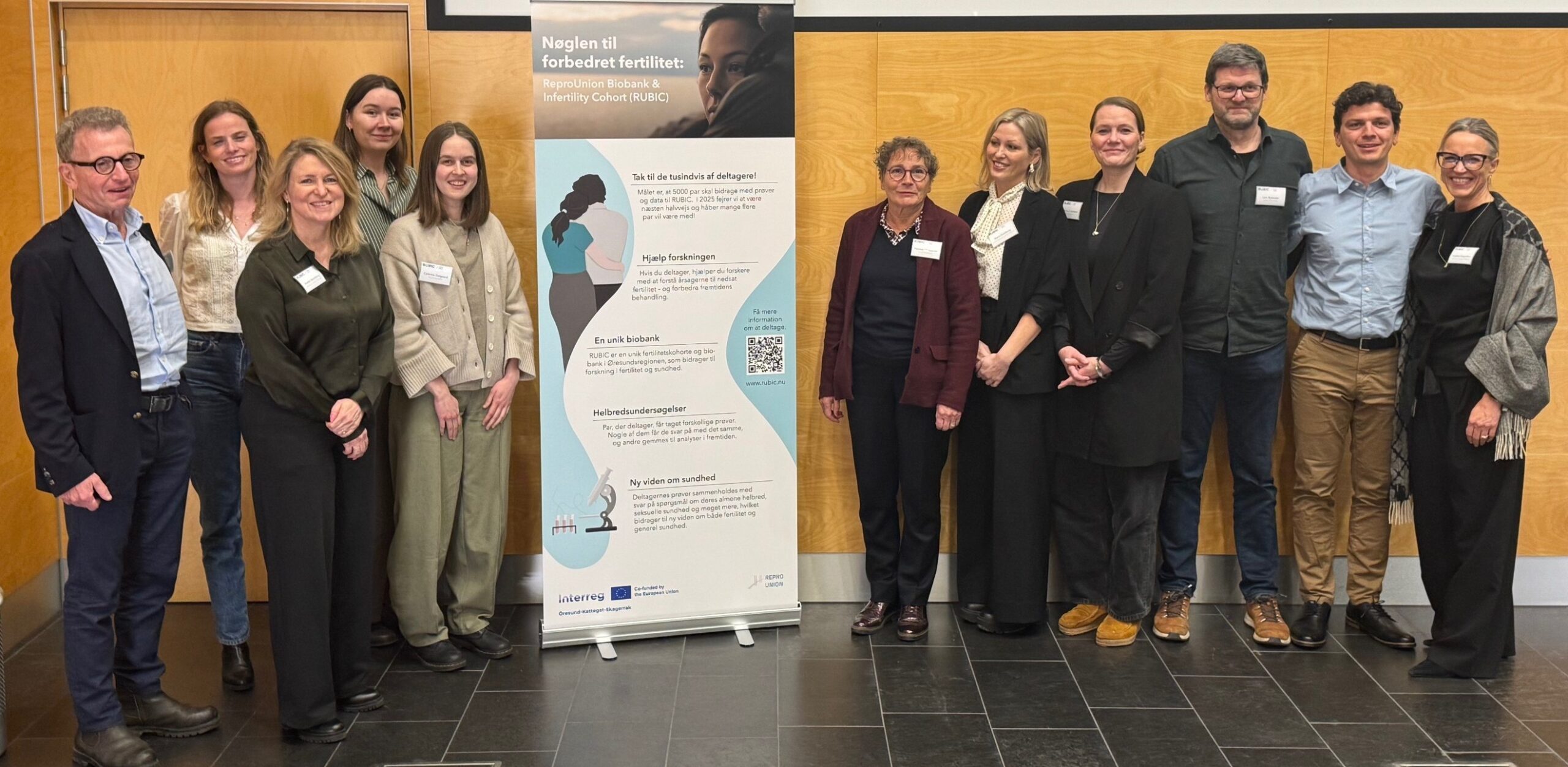
Speakers: Aleksander Giwercman, Ida Behrendt Møller, Anette Steenberg, Katrine Meldgård, Cathrine Voigt Dalgaard, Yvonne Lundberg Giwercman, Maria Dahlberg, Katrine Eskildsen, Lars Rylander, Angel Elenkov, Kristine Koppelhus